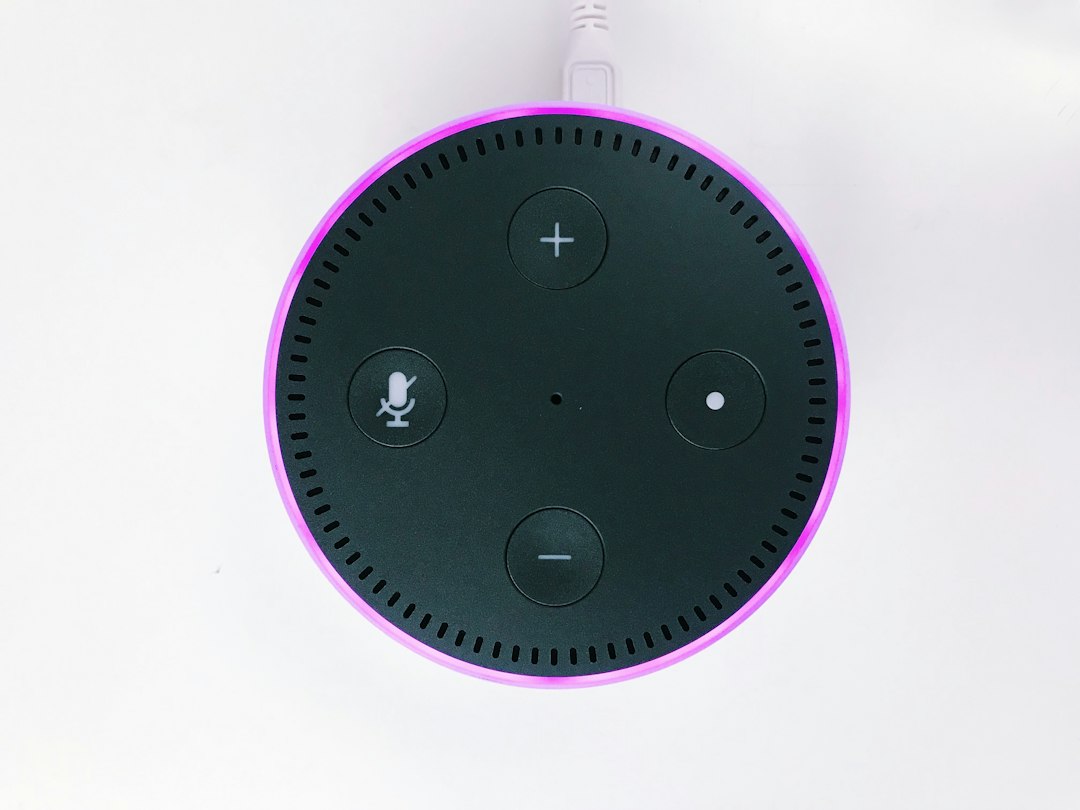
In the rapidly evolving landscape of digital content, the demand for high-quality, engaging audio has never been greater. Yet, the traditional hurdles of recording—studio costs, background noise, endless retakes, and the sheer time commitment—remain significant. Enter the best AI voice generators of 2026, a revolutionary class of tools that are not just mimicking human speech but are now crafting audio with such astonishing realism that they are often indistinguishable from actual voice actors.
Over the past year, the explosion in popularity of AI voices has been undeniable. Scroll through YouTube, Instagram, or TikTok, and you'll encounter countless videos narrated by AI. Creators are growing channels to thousands of subscribers and millions of views, businesses are scaling training videos, and podcasters are exploring new frontiers in audio production. As a Chief Editor and SEO Content Strategist, I've personally watched and tested the progression of these technologies, and the advancements in 2026 are truly groundbreaking. This guide synthesizes extensive testing, real-world application, and critical industry updates to provide you with the most authoritative and actionable recommendations for finding the perfect AI voice generator for your needs.
The Rise of Human-Like AI Voices: What Defines the Best in 2026?
Gone are the days when AI voices sounded robotic, monotonous, or plagued by unnatural cadences. The leading AI voice generators in 2026 have transcended these limitations, offering sophisticated algorithms that understand nuance, emotion, and context. What truly defines the "best" in this new era?
- Naturalness and Emotional Range: This is paramount. The top tools now incorporate natural breathing patterns, realistic pacing, and a broad emotional spectrum, preventing the dreaded "AI over-acting." Voices should convey genuine intent and tone, whether it's for a dramatic audiobook or an informative explainer video.
- Granular Control: Beyond basic text-to-speech, the best generators provide real control. This includes the ability to adjust emphasis on specific words, fine-tune pauses for dramatic effect, and correct pronunciation for complex terms or proper nouns.
- Consistent Quality: Every generation should sound good, without random glitches or drops in quality. Consistency is key for long-form content and professional applications.
- Extensive Voice Libraries and Customization: A wide selection of diverse voices (male, female, various accents, ages) is crucial. Features like voice cloning (to replicate an existing voice) and multi-character support for dialogue-rich scripts are also highly valued.
- Multilingual Capabilities: For a global audience, support for numerous languages with native-sounding accents and phoneme-level control is a significant advantage.
These advancements mean that creators can now achieve monetized success on platforms like YouTube, as exemplified by channels like Isaac and AI History Shorts, which utilize AI voices and are fully monetized. The quality is so high that viewers often don't even realize it's AI.
Top AI Voice Generators: Our Best Picks for Every Need
After extensive testing across various use cases—from YouTube story videos and documentaries to client explainer videos and audiobook samples—here are our Best Picks for the leading AI voice generators in 2026.
ElevenLabs: The All-Round Champion for Ultra-Realism
Often cited as the industry leader for raw voice quality, ElevenLabs continues to push boundaries. With its Eleven v3 GA update in February 2026, it now boasts explicit audio tags in over 70 languages, offering unparalleled realism and emotional depth. Users rave about its natural breathing, pacing, and ability to convey subtle emotions without sounding artificial. Its voice cloning capabilities are also top-tier, allowing users to create custom voices from minimal audio samples.
- Strengths: Ultra-realistic narration, extensive language support, excellent voice cloning, ideal for long-form content like audiobooks and storytelling.
- Best For: Podcasters, audiobook narrators, YouTubers (especially faceless channels), creative storytellers.
Speechify Studio: Leading with Human-Like Cadence
Speechify Studio, particularly with its Simba 3.2 engine, has made significant strides. It ranked #1 on the Artificial Analysis TTS leaderboard in July 2026, surpassing even ElevenLabs, OpenAI, and Google DeepMind in certain metrics. Its focus on human-like cadence and natural flow makes it an excellent choice for content where speech rhythm is critical.
- Strengths: Superior cadence and natural flow, highly realistic, strong for educational content and presentations.
- Best For: Corporate L&D, educators, business presentations, anyone prioritizing natural speech rhythm.
Murf.ai: The All-in-One for Video and Voice Production
Murf stands out for its comprehensive approach, offering an all-in-one platform for both video and voice production. Its emphasis control feature is particularly robust, allowing users to highlight specific words or phrases to convey precise meaning. This makes it a powerful tool for explainer videos, marketing content, and any project requiring tight synchronization between visuals and audio.
- Strengths: Excellent emphasis control, integrated video production tools, large voice library, good for synchronized content.
- Best For: Marketing teams, video creators, explainer video producers.
Notevibes: Best Balance of Features and Value
For those seeking a powerful AI voice generator without breaking the bank, Notevibes offers an exceptional balance. It features over 550 voices, 80+ emotion tags, and an AI podcast generator. With a generous 500K credits per month at a competitive price point, it's a versatile solution for high-volume content creators.
- Strengths: Vast voice library, numerous emotion tags, integrated podcast generator, excellent value for money.
- Best For: Independent podcasters, content creators with high volume needs, those looking for comprehensive features at a reasonable cost.
Hume Octave: Designing Emotion from a Prompt
Hume Octave offers a unique approach to voice generation, allowing users to design a voice from a simple prompt. While its founding team moved to Google DeepMind in January 2026, the platform continues to innovate in creating emotionally nuanced voices. It focuses on the expressive qualities of speech, making it ideal for creative projects where specific emotional tones are crucial.
- Strengths: Emotionally intelligent voice generation, unique prompt-based voice design.
- Best For: Storytellers, creative projects requiring specific emotional delivery, experimental audio.
TTSMaker: The Accessible Free Option
For those just starting or needing to test AI voice capabilities without commitment, TTSMaker is an excellent free AI voice generator. While it may not offer the advanced controls or ultra-realism of premium tools, it provides a solid foundation for basic text-to-speech needs.
- Strengths: Free to use, good for quick tests and beginners.
- Best For: Casual users, students, those with minimal budgets, initial experimentation.
(Other notable mentions include WellSaid for its word-by-word control, Fish Audio for its community voice templates, and DupDub for its multilingual phoneme-level control, each offering specialized strengths for particular niches.)
Specialized Use Cases: Top AI Voice Generators for Podcasters and Audiobooks
For Top AI Voice Generators for Podcasters and Audiobooks, the requirements go beyond mere realism. Long-form audio content demands consistency, emotional depth over extended periods, and often, the ability to manage multiple characters.
- ElevenLabs emerges as a clear frontrunner here. Its ability to maintain consistent voice quality, apply nuanced emotional inflections, and support multi-character voiceovers makes it ideal for episodic podcasts and full-length audiobooks. The realistic breathing and pacing prevent listener fatigue over long durations, crucial for immersive storytelling.
- Hume Octave also shines for audiobooks and storytelling due to its focus on designing emotionally resonant voices. For narratives that require a specific mood or character voice, Hume's prompt-driven approach can be incredibly powerful.
- When evaluating tools for these purposes, consider:
- Character Consistency: Can the voice maintain its unique attributes across different sections and episodes?
- Emotional Arc: Can the AI effectively convey the emotional journey of the narrative or the speaker's tone?
- Editing & Fine-tuning: The ability to go back and adjust specific sentences or words without re-generating the entire segment is invaluable.
- Cost-effectiveness for Volume: Audiobooks and podcasts can be lengthy, so evaluate credit usage and subscription tiers carefully.
Navigating the Landscape: How to Choose the Right AI Voice Generator (Top Lists & Buyer Recommendations)
Choosing the best AI voice generator requires a careful assessment of your specific needs, budget, and desired output quality. Here are key factors and Buyer Recommendations to guide your decision:
Key Considerations for Your Purchase:
- Your Primary Use Case:
- YouTube/Social Media: Prioritize realism, emotional range, and potentially voice cloning (ElevenLabs, Murf).
- Podcasts/Audiobooks: Focus on consistency, emotional depth, multi-character support, and long-form generation capabilities (ElevenLabs, Hume).
- Business/Corporate: Look for clarity, professional tones, and integration with presentation software (Speechify Studio, Murf, Visme).
- Explainer Videos/Marketing: Emphasis control, seamless integration with video tools (Murf, WellSaid).
- Education/L&D: Human-like cadence, clear pronunciation (Speechify Studio, Vi).
- Voice Quality & Naturalness: Always prioritize tools that offer natural breathing, pacing, and emotional range. Listen to actual audio samples provided by the tools and in independent reviews.
- Control & Customization: Do you need to adjust emphasis, pauses, or pronunciation? Are explicit audio tags important for your content?
- Voice Library & Cloning: How many voices do you need? Do you require the ability to clone your own voice or create unique ones?
- Language Support: If you target a global audience, ensure the tool supports the languages and accents you need.
- Pricing & Subscription Tiers: Compare free tiers, monthly costs, and credit allocations. Some tools offer better value for high-volume users.
- Ease of Use & Workflow Integration: A user-friendly interface and the ability to integrate with your existing content creation workflow (e.g., direct export to video editors) can save significant time.
Important Industry Update & Warning:
AVOID LOVO.ai for new subscriptions. As of May 2026, LOVO.ai filed for Chapter 7 liquidation. While their site may still be selling subscriptions, there's no bankruptcy notice, and legal actions are pending. Investing in a new subscription with them carries significant risk. Always check for recent industry news and updates before committing to a long-term plan.
Comparison Guide: Leading AI Voice Generators (2026)
| Feature / Tool | ElevenLabs | Speechify Studio | Murf.ai | Notevibes | Hume Octave | TTSMaker |
|---|---|---|---|---|---|---|
| Overall Quality | Ultra-realistic (Top Tier) | Highly Realistic (Top Tier) | Very Realistic | Very Realistic | Emotionally Nuanced | Basic / Good for Free |
| Key Strength | Naturalness, Cloning, Multi-lang | Human Cadence, TTS Leaderboard | Video+Voice, Emphasis Control | Value, Large Library, Podcast | Emotion Design from Prompt | Free, Accessible |
| Best For | Podcasters, Audiobooks, YT | L&D, Presentations | Marketing, Explainer Videos | High Volume, Indie Podcasters | Creative Storytelling | Beginners, Quick Tests |
| Control Features | Advanced (tags, pauses) | Good (cadence, intonation) | Excellent (emphasis) | Good (emotion tags) | Unique (prompt-based emotion) | Basic |
| Voice Library | Extensive (70+ languages) | Large | Large | Very Large (550+ voices) | Growing | Decent |
| Pricing Model | Free, Creator, Pro, Business | Free, Premium, Teams | Free, Basic, Pro, Enterprise | Free, Personal, Business | Free Trial, Paid Tiers | Free |
| Noteworthy Updates | Eleven v3 GA (Feb 2026) | Simba 3.2 (#1 TTS Jul 2026) | All-in-one platform | 500K credits/mo ($19/mo) | Founding team to Google (Jan 2026) | N/A |
The Future is Now: AI Prompts and Advanced Control
To truly unlock the potential of these tools, users are increasingly leveraging AI prompts. Just as you guide a generative AI for images or text, you can use explicit prompts and audio tags to refine your AI voice output. For instance, instructing the AI to "read this line with a calm, reassuring tone" or "[whisper] this secret information" can yield dramatically better and more specific results. Platforms like ElevenLabs with their explicit audio tags in multiple languages are leading the way in this area, allowing for unprecedented fine-tuning and creative control. Experimenting with different phrasing, emotional cues, and even character descriptions within your prompts can elevate your AI-generated audio from good to truly exceptional.
Conclusion
The landscape of AI voice generators in 2026 is nothing short of revolutionary. The days of robotic, unnatural voices are firmly in the past, replaced by sophisticated tools capable of producing audio that rivals human performance. Whether you're a content creator aiming for YouTube monetization, a podcaster seeking consistent narration, a business developing engaging training modules, or an author bringing stories to life, there's an AI voice generator perfectly suited to your ambitions. By carefully considering your specific needs, evaluating the latest advancements, and heeding crucial industry updates, you can confidently select the best AI voice generator to elevate your audio content to new, human-like heights. The future of voice is here, and it sounds remarkably natural.