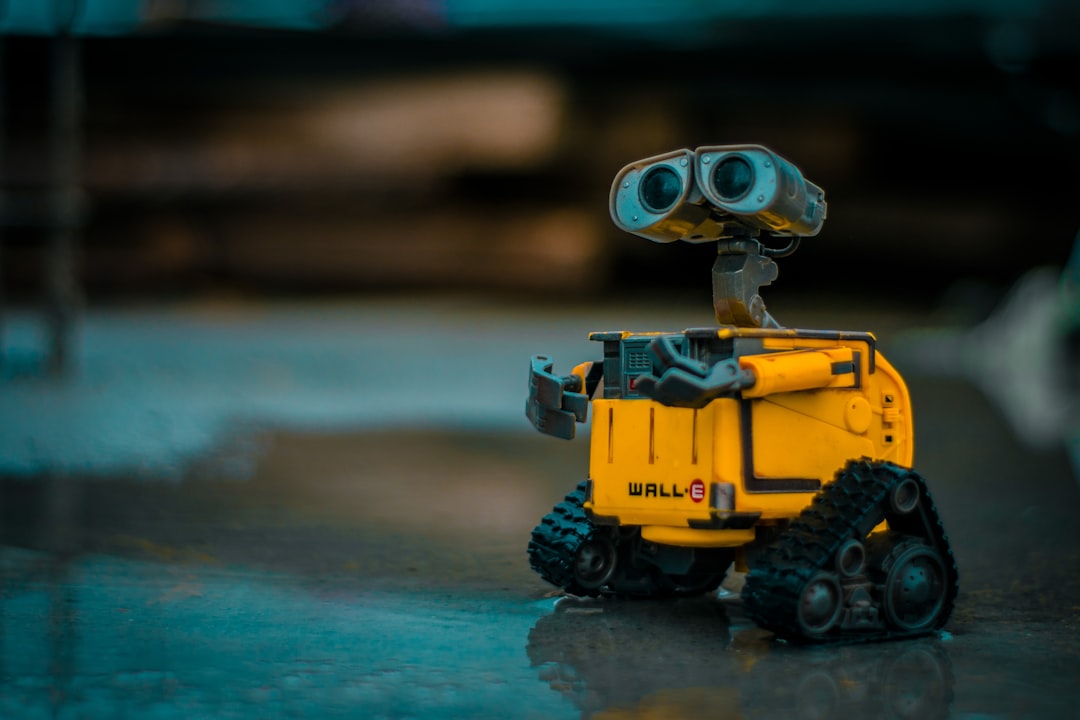
The Rise of No-Code AI Chatbots: Why Coding Is No Longer Required
The Democratization of AI Development
In 2026, building a sophisticated AI chatbot is no longer the exclusive domain of software engineers and data scientists. The advent of no-code platforms has fundamentally transformed how businesses approach customer automation. Where once a project required a team of developers, a vector database, and months of iterative coding, today a marketing manager can launch a production-ready bot during a lunch break. This shift is powered by large language models (LLMs) that handle the complex natural language processing under the hood, allowing you to focus on conversational design rather than algorithmic logic. The result is a faster, more affordable path to enhancing customer support, lead generation, and internal workflows without ever writing a line of code.
Understanding the Core Components
Despite the simplicity of the interface, it's helpful to understand what's happening behind the scenes. Modern no-code chatbots rely on three pillars: Natural Language Processing (NLP) to interpret user intent, machine learning to improve responses over time, and automation logic to trigger actions like retrieving information or routing to a human agent. Platforms abstract these complexities into drag-and-drop blocks or plain English instructions, making them accessible to everyone from small business owners to enterprise operations teams.
Why Build a Chatbot Without Code? The Business Case
Unmatched Speed and Cost Efficiency
The most compelling reason to go no-code is the dramatic reduction in time and resources. Custom development often involves a 3-6 month timeline and a budget ranging from $50,000 to over $200,000, not including ongoing maintenance costs. In contrast, a no-code builder can have your chatbot live in as little as 10-30 minutes for a monthly fee as low as $0 to $500. This agility allows businesses to test ideas quickly, respond to market changes, and scale customer interactions without the friction of traditional software projects.
Accessibility for Non-Technical Teams
No-code chatbots empower departments that previously had to wait for IT resources. Customer support managers can design bots that handle common FAQs, sales teams can create lead qualification tools, and HR can build internal assistants for employee onboarding. This democratization fosters innovation and ensures that the people closest to customer needs are the ones building the solutions.
Step-by-Step How-To Guide: Building Your First AI-Powered Chatbot
Step 1: Define Your Chatbot's Purpose and Audience
Before logging into any platform, clarity is your most important asset. Ask yourself: What specific problem am I solving? Is it reducing customer support tickets, qualifying leads, or providing 24/7 information? Identify your target audience and the common questions they have. For example, an e-commerce store might focus on order tracking and returns, while a SaaS company might prioritize onboarding tutorials. Write down 5-10 typical user queries to use as test cases later.
Step 2: Choose the Right No-Code Platform
Selecting a platform depends on your use case, budget, and desired channels. Here's a quick comparison of popular options:
| Platform | Best For | Key Features | Starting Price |
|---|---|---|---|
| Voiceflow | Conversational design | Agent block, multi-channel prototyping | Free tier available |
| ChatGPT Plus | Quick AI responses | Built-in GPT-4, website import | $20/month |
| Custom no-code builders | Full business automation | Knowledge base, persona customization, analytics | Varies |
Many platforms offer free trials, so experiment to see which interface feels most intuitive for your needs.
Step 3: Set Up Your Knowledge Base
The intelligence of your chatbot hinges on the quality of its knowledge base. Most platforms allow you to import content directly from your website, upload PDFs, or paste in a list of FAQs. The goal is to provide accurate, concise information that the AI can reference when answering questions. For instance, if you're building a support bot, include product manuals, troubleshooting guides, and policy documents. Avoid including contradictory or outdated information, as this can lead to inconsistent responses.
Step 4: Customize the Chatbot's Persona and Behavior
This is where you infuse your bot with personality. Define its tone—professional, friendly, or humorous—and set guidelines for how it should handle unknown questions. For example, you might instruct the bot to say, "I didn't quite understand that. Could you rephrase?" instead of guessing. Many platforms let you create custom responses for specific intents, ensuring that critical queries like "cancel my subscription" are handled carefully, perhaps by routing to a human agent.
Step 5: Test Thoroughly Before Deployment
Testing is not optional; it's where you catch awkward conversations before your customers do. Use the list of common questions from Step 1 to simulate real interactions. Pay attention to how the bot interprets variations in phrasing—does it recognize "Where's my order?" and "Track my package" as the same intent? Involve colleagues from different departments to provide fresh perspectives. Iterate on responses that feel robotic or inaccurate.
Step 6: Deploy and Monitor Performance
Once you're confident, deploy your chatbot to your website, WhatsApp, or other channels with a single click. After launch, monitor key metrics like resolution rate, user satisfaction, and fallback frequency (how often the bot fails to understand). Most platforms provide analytics dashboards to track these insights. Schedule regular reviews to update your knowledge base with new products, policies, or customer feedback.
Top No-Code Chatbot Platforms Compared
No-Code Builder vs. Custom Development: The Real Trade-offs
To further illustrate the advantages, here's a detailed comparison between leveraging a no-code platform and opting for custom development:
| Factor | No-Code Builder | Custom Development |
|---|---|---|
| Time to Deploy | 10-30 minutes | 3-6 months |
| Cost | $0-$500/month | $50,000-$200,000+ upfront |
| Technical Skills Needed | None | Full-stack development, NLP, ML |
| Maintenance | Platform handles updates | Ongoing developer time required |
| AI Capabilities | Built-in GPT-4 level AI | Must build or integrate separately |
| Channel Deployment | One-click multi-channel | Separate work for each channel |
| Iteration Speed | Minutes per change | Days to weeks per change |
The only scenario where custom development remains relevant is for highly proprietary logic that no platform supports, such as complex industry-specific regulations or unique integrations.
Best Practices for a Successful No-Code Chatbot
Keep the Conversation Focused and User-Centric
A common pitfall is trying to make the bot do too much. Start with a narrow scope—master one use case before expanding. For example, if building a support bot, initially focus on the top 10 FAQs rather than attempting to handle entire product troubleshooting. Always design conversations with the user's intent in mind, ensuring that responses are helpful and that escalation to a human is seamless.
Continuously Update and Personalize
Your knowledge base is a living document. As your business evolves, so should your chatbot. Regularly add new content based on customer feedback and emerging questions. Personalization tokens—like addressing users by name or referencing past interactions—can significantly improve engagement. For instance, a bot that says, "Welcome back, Sarah! Need help with your recent order?" feels more attuned than a generic greeting.
Measure, Learn, and Iterate
Deploying your bot is just the beginning. Use analytics to identify where users drop off or express frustration. A/B test different response phrasings and monitor how changes impact key metrics. The most successful no-code chatbots are those that are treated as products, with ongoing investment in refinement and feature expansion.
Common Mistakes to Avoid When Building a Chatbot Without Code
Overcomplicating the Bot from Day One
Ambition can be the enemy of launch. Many beginners attempt to build a bot that handles every possible scenario, resulting in a bloated, confusing experience. Instead, adopt a minimum viable product (MVP) approach: identify the highest-impact use cases and start there. You can always add complexity as the bot proves its value.
Neglecting the Human Handoff
Even the best AI has its limits. Failing to provide a clear path to human assistance can lead to customer frustration. Ensure your bot is programmed to recognize when it's out of its depth and gracefully transfer the conversation to a live agent, along with relevant context so the customer doesn't have to repeat themselves.
Ignoring Analytics and User Feedback
Without data, you're guessing. Regularly review your chatbot's performance metrics—such as fallback rates, completion rates, and user sentiment. Supplement this with direct feedback from customers through surveys or feedback buttons. These insights are goldmines for prioritizing improvements and ensuring your bot remains aligned with user needs.
Conclusion: The Future of Customer Interaction Is No-Code
Building an AI chatbot without code is no longer a futuristic concept; it's a present-day reality that empowers businesses of all sizes to enhance customer experiences efficiently. By following a structured approach—defining goals, choosing the right platform, meticulously testing, and continuously iterating—you can deploy a powerful bot that drives real results. The tools are accessible, the barriers are low, and the potential is immense. Whether you're a founder looking to automate support or a marketer aiming to generate leads, the no-code chatbot revolution is yours to lead. Start small, learn fast, and watch your customer interactions transform.